
Reading the task and setting
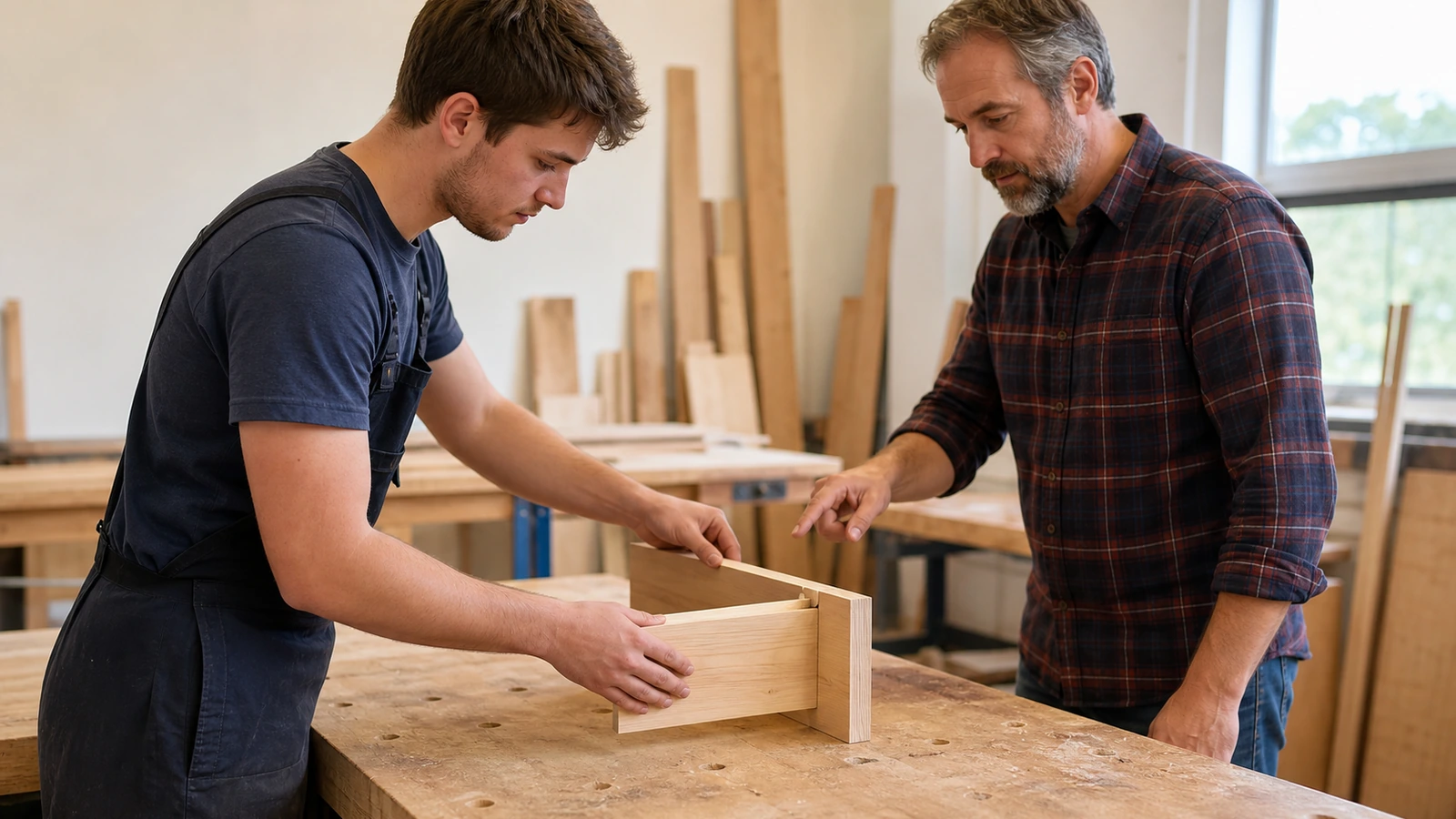
Practical learning begins with the environment, not with the visible technique. Before trying a new task, consider what could cut, burn, trap, strain, contaminate or otherwise cause harm. Look at lighting, ventilation, stable surfaces, people nearby and the condition of the equipment. A simple demonstration may depend on controls that are easy to miss when you are concentrating on the final movement.
Decide what level of supervision the activity requires. Some skills can be rehearsed with harmless materials or simulated steps, while others need a qualified instructor who can observe and intervene. Follow the rules that apply to the setting and equipment. General learning guidance cannot replace local instruction, a risk assessment or professional competence in a regulated or high-risk activity.
Agree on stopping conditions before you begin. Stop if equipment behaves unexpectedly, the workspace changes, fatigue affects your control or an instruction is unclear. A pre-agreed pause removes pressure to guess while already uncertain. It also gives an instructor a chance to distinguish a normal learning hesitation from a condition that needs correction before practice continues.
Learning the sequence and checks
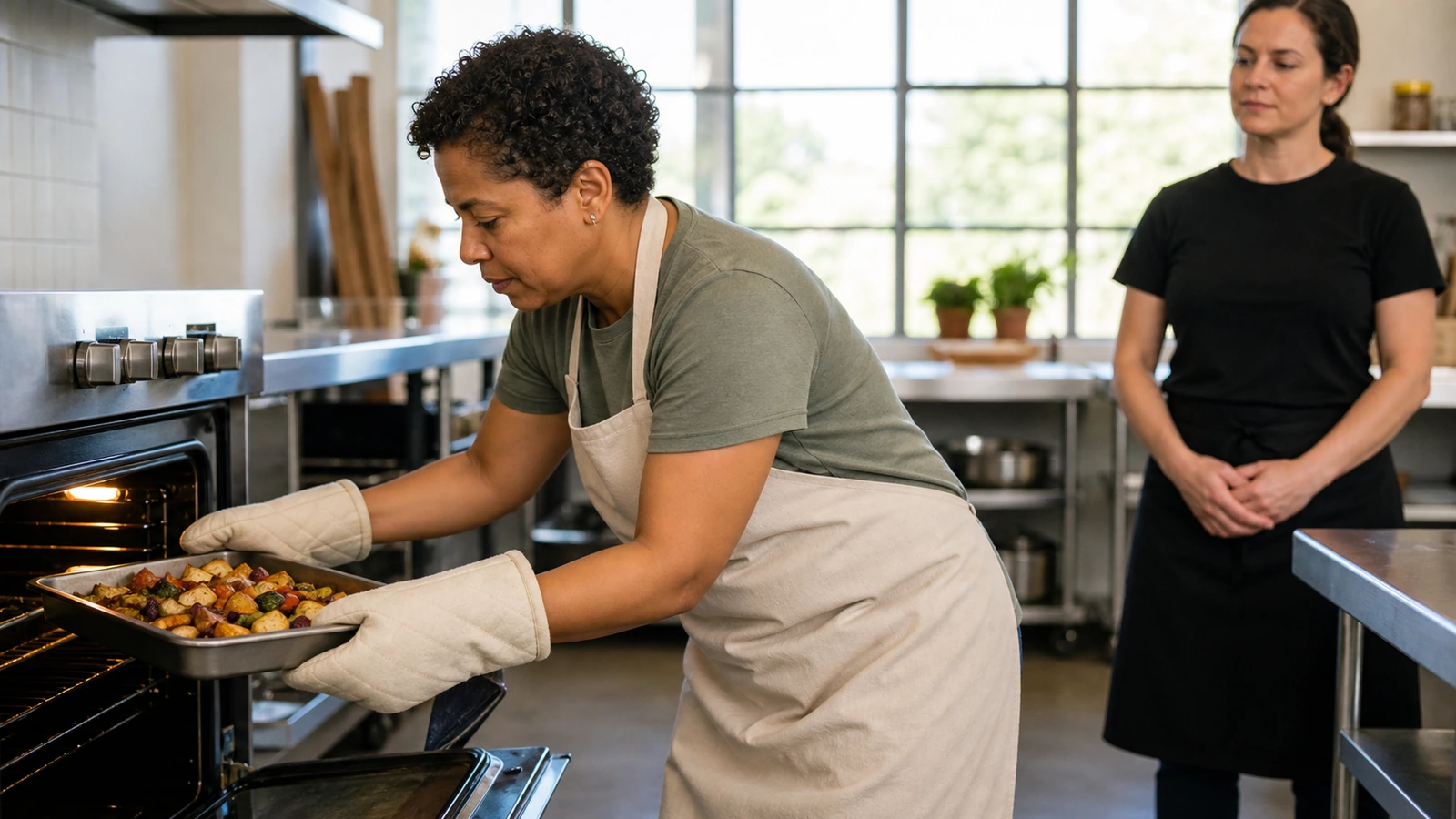
Watch a complete demonstration once, then ask for the process in smaller parts. Notice the setup, body position, grip, direction of force and checks made before moving on. The visible action is only one part of the skill. Safe performance also depends on decisions about readiness, alignment, clean-up and when not to continue.
Repeat the key steps slowly under observation. Say what you are checking and why. This may feel slower than copying the motion, but it allows feedback before a weak habit becomes familiar. If a step has a safety purpose that you do not understand, ask for an explanation. Knowing the reason makes it easier to recognise when a similar situation needs the same precaution.
Use suitable equipment in the condition intended for the task. Do not substitute tools, bypass guards or copy a technique from a different context because it appears quicker. The correct method can depend on material, setting, training level and local procedure. When these details are unknown, pausing is the safer choice.
Building control through practice
Increase difficulty gradually. Begin with the simplest version that still lets you learn the essential movement and decision. Add speed, complexity, variation or time pressure only after you can perform the earlier stage with control. Trying to prove confidence too soon can hide gaps in technique and make it harder for an instructor to give useful feedback.
Practise in short, deliberate sessions. Fatigue can reduce attention, grip, balance and judgement even when the task itself seems familiar. A short pause can be more useful than repeating a movement after concentration has slipped. If you are learning with other people, maintain the agreed working space and communicate before moving materials or changing position.
Treat feedback as part of the skill rather than as a verdict on your ability. Ask the instructor to identify one priority for the next attempt. Trying to fix every detail at once can overload attention. A clear improvement point, tested immediately, gives you a safer and more reliable route forward.
Knowing when to seek support
Uncertainty is a reason to pause, not a challenge to overcome by improvisation. Seek qualified guidance if the task involves unfamiliar machinery, electricity, chemicals, elevated work, heavy loads, sharp tools, food safety or any condition where a mistake could have serious consequences. Do not rely on general online advice to make a high-risk activity safe in a specific environment.
Report near misses, damaged equipment and confusing instructions through the appropriate local process. These are useful safety signals, not inconveniences to hide. They can prevent someone else from encountering the same condition and may show that the procedure needs clarification. If you do not know how to report a concern, ask the supervisor before continuing.
Learning practical skills takes time because sound technique includes judgement. The goal is not merely to complete a task once. It is to recognise the conditions in which you can proceed, the limits of your current competence and the moment when another person’s expertise is needed. That approach supports steady progress without treating safety as an optional extra.